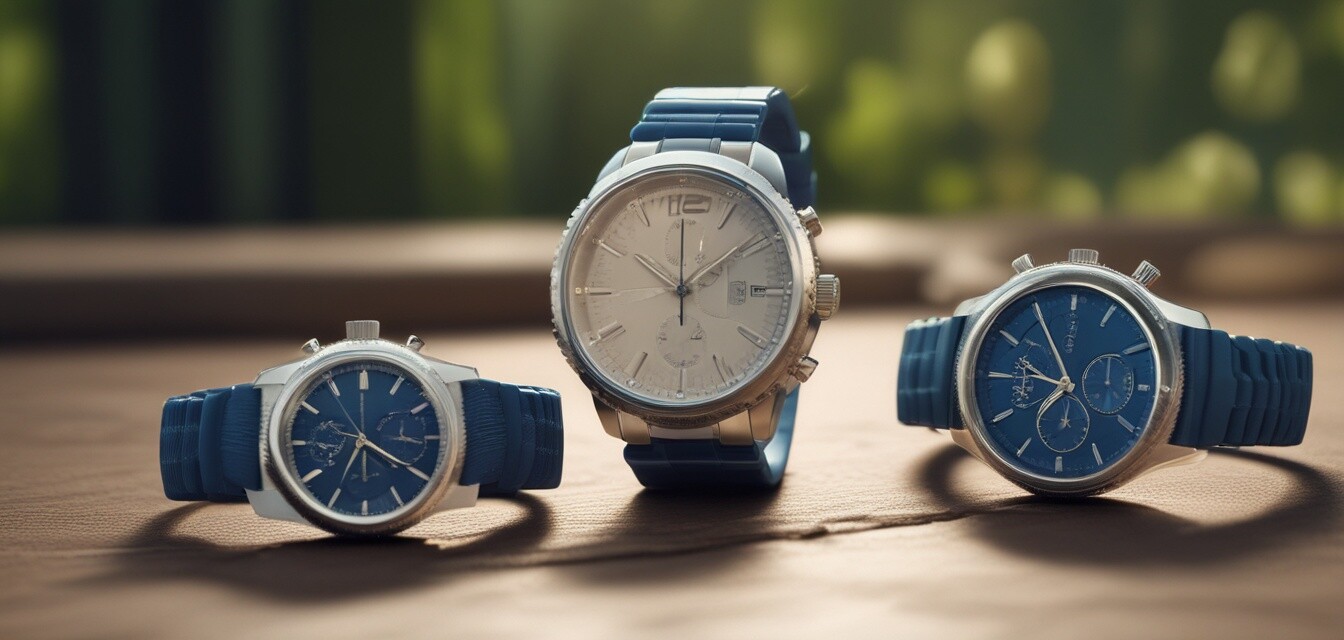
Battery Life and Durability
When it comes to selecting a women's health watch, two of the most critical features to consider are battery life and durability. A watch that can withstand daily wear and tear while offering a long-lasting battery ensures that you can monitor your health and fitness without interruptions. In this article, we will evaluate the various aspects of battery life and durability in women's health watches, helping you make an informed decision.
Key Takeaways
- Long battery life is crucial for continuous health monitoring.
- Durability ensures the watch can withstand daily activities.
- Different types of watches offer varying levels of battery performance.
- Consider features like water resistance and materials for durability.
- Smart fitness watches typically have shorter battery life compared to analog watches.
Understanding Battery Life
Battery life varies significantly among different types of watches. Here’s a breakdown of what you can expect:
| Type of Watch | Average Battery Life | Charging Method |
|---|---|---|
| Classic Analog Watches | 2-5 years (battery replacement) | Battery replacement |
| Eco-Friendly Watches | 2-3 years | Battery replacement or solar power |
| Fashion Fitness Hybrids | 6 months - 1 year | USB charging |
| Luxury Health Watches | 1-2 days (depending on features) | Wireless charging or USB charging |
| Smart Fitness Watches | 1-3 days | USB charging |
| Sports Watches | 5-10 days | USB charging |
Factors Affecting Battery Life
- Features: Watches with advanced features like GPS and heart rate monitoring consume more battery.
- Screen Brightness: Higher screen brightness can lead to quicker battery drain.
- Connectivity: Continuous Bluetooth connection can impact battery life.
- Usage: Frequent notifications and alerts can also shorten battery life.
Evaluating Durability
Durability is another essential factor, especially for women on the go. Here are some aspects to consider:
| Feature | Description | Importance |
|---|---|---|
| Water Resistance | Ability to withstand water exposure | Essential for swimming and rainy weather |
| Material | Common materials include stainless steel, plastic, and silicone | Influences weight and resistance to scratches |
| Impact Resistance | Ability to withstand drops and bumps | Important for active lifestyles |
| Battery Cover | Secure cover to protect the battery | Prevents battery damage during activities |
Comparing Durability Across Watch Types
| Watch Type | Water Resistance | Material | Impact Resistance |
|---|---|---|---|
| Classic Analog | Varies | Stainless Steel | Moderate |
| Eco-Friendly | Water-resistant | Recycled materials | Moderate |
| Fashion Fitness Hybrid | Water-resistant | Plastic/Silicone | Low |
| Luxury Health | Usually water-resistant | Stainless Steel/Gold | High |
| Smart Fitness | Water-resistant | Plastic/Metal | Moderate |
| Sports | Highly water-resistant | Rubber/Plastic | High |
Conclusion
Choosing the right women's health watch involves careful consideration of both battery life and durability. By understanding the different types of watches and their respective features, you can select a watch that not only meets your health monitoring needs but also fits seamlessly into your lifestyle.
For more insights on specific types of women's health watches, check out our categories:
- Classic Analog Watches
- Eco-Friendly Watches
- Fashion Fitness Hybrids
- Luxury Health Watches
- Smart Fitness Watches
- Sports Watches
Pros
- Long battery life options available
- Variety of durable materials
- Advanced features for health tracking
- Water-resistant options for active lifestyles
Cons
- Smart fitness watches may require frequent charging
- Durability can vary widely by brand
- Some features may not be necessary for all users
Tips for Beginners
- Always check the battery specifications before purchasing.
- Consider your lifestyle to choose the right durability features.
- Read user reviews to gauge real-life battery performance.
- Look for watches that offer warranty for durability assurance.