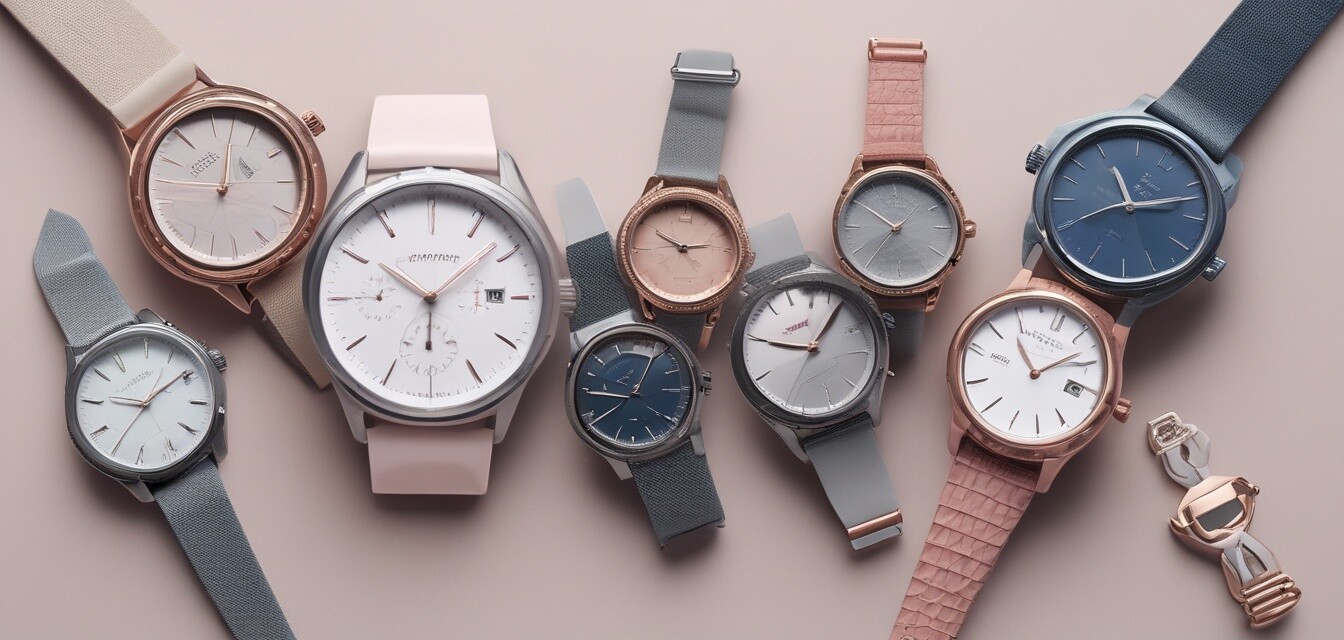
Compatibility and Connectivity in Women's Health Watches
- Understanding compatibility is essential for maximizing the functionality of health watches.
- Connectivity options determine how well your watch interacts with other devices.
- Most health watches support Bluetooth, while some offer Wi-Fi and app integrations.
- Choosing the right watch can enhance your health monitoring experience.
Women’s health watches are designed to help monitor and improve health and fitness. However, to get the most out of these devices, understanding their compatibility and connectivity options is crucial. In this article, we will delve into the various aspects of compatibility and connectivity, making it easier for you to choose the right watch that fits seamlessly into your lifestyle.
Why Compatibility Matters
Compatibility refers to how well a health watch integrates with other devices such as smartphones, tablets, and computers. A watch that is compatible with your existing devices will allow you to:
- Sync health data easily with health apps.
- Receive notifications and alerts directly on your watch.
- Utilize advanced features such as GPS tracking and heart rate monitoring.
Compatible Operating Systems
Most women's health watches are compatible with major operating systems. Here’s a quick look at the compatibility of popular systems:
| Operating System | Compatibility |
|---|---|
| iOS | Compatible with most brands |
| Android | Compatible with most brands |
| Windows | Limited compatibility |
Connectivity Options
Connectivity is key to enhancing the functionality of your health watch. Here are some common connectivity options:
Bluetooth
Bluetooth is the most common connectivity option in women's health watches. It allows for:
- Quick pairing with smartphones.
- Real-time data syncing.
- Low energy consumption.
Wi-Fi
Some advanced health watches come with Wi-Fi connectivity, which enables:
- Faster data transfer.
- Direct app downloads without a smartphone.
- Use of features like live workout streaming.
NFC (Near Field Communication)
NFC is becoming increasingly popular in health watches for:
- Contactless payments.
- Quick pairing with other NFC-enabled devices.
Integrating with Apps
Many women's health watches have dedicated apps that help you track your health metrics more effectively. These apps often offer:
- Data analysis and trends over time.
- Goal setting and reminders.
- Community support and challenges.
To explore more about the apps that work best with health watches, check out our guide on Smart fitness watches.
Choosing the Right Health Watch
When selecting a health watch, consider the following factors:
- Compatibility with your smartphone model and operating system.
- Connectivity options that meet your needs.
- Features that align with your health goals.
Comparison of Popular Women's Health Watches
| Watch Model | Compatibility | Bluetooth | Wi-Fi | NFC |
|---|---|---|---|---|
| Health Watch A | iOS, Android | Yes | No | Yes |
| Health Watch B | iOS only | Yes | Yes | No |
| Health Watch C | Android only | Yes | No | Yes |
Conclusion
Understanding the compatibility and connectivity options for women's health watches is essential for maximizing their potential. By selecting a watch that easily integrates with your devices and offers robust connectivity, you can make the most of your health journey. For a deeper dive into different types of watches, visit our sections on Classic analog watches, Eco-friendly watches, and Luxury health watches.
Pros
- Enhanced health monitoring capabilities.
- Seamless integration with smartphones.
- Wide range of features to choose from.
Cons
- Some models may have limited compatibility.
- Higher-end models can be costly.
- Not all features may be available on all operating systems.
Tips for Beginners
- Always check compatibility before purchasing.
- Read user reviews to understand connectivity experiences.
- Consider your specific health goals when choosing features.